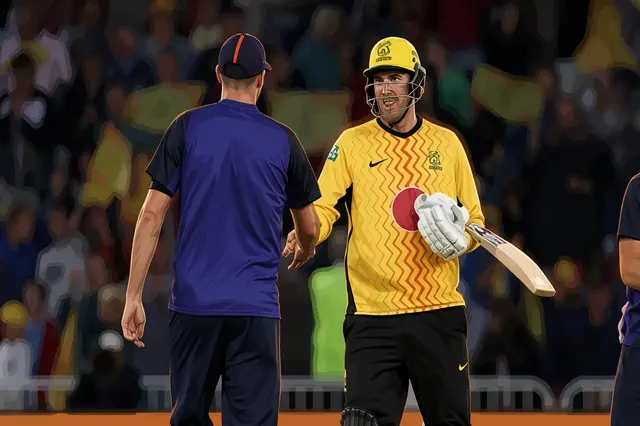

Nicholls, Phillips defy Bumrah’s storm; 243/5 caps NZ recovery on sticky track

Published 2026-11-25 · By Saurabh Agarwal (T20 Tactical & Toss Specialist · Pune Desk)
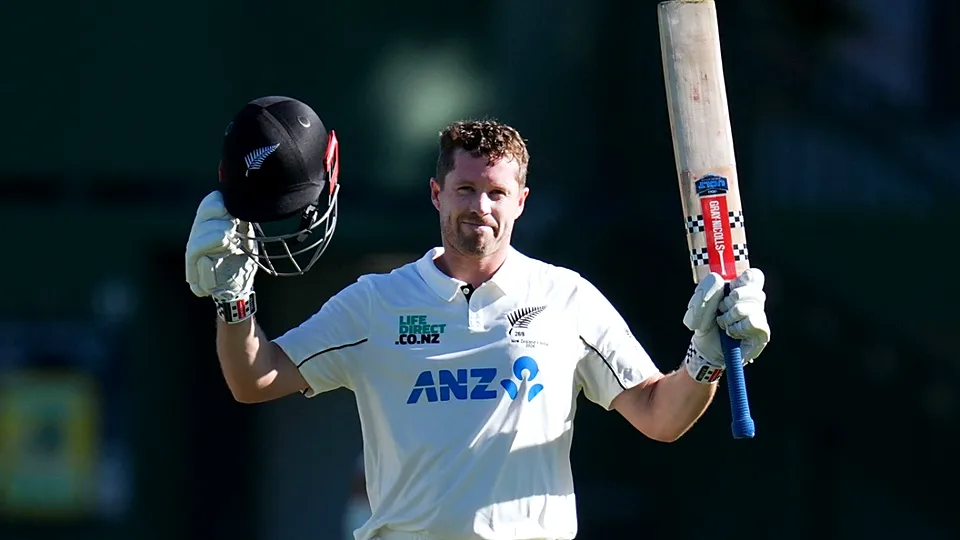
The red ball didn’t just skid; it bounced wildly at the crease. Jos Buttler, playing for the hosts, misjudged the skiddy length on the second ball of the innings. Edge, stumped. The wicketkeeper’s arms went up, but the real damage was already done. New Zealand’s top order collapsed under pressure from the new ball bowler, Rishabh Pant, who was playing in the IPL’s shadow but with Test-level patience. By the time Devon Conroy took his bat off his shoulder after a brief 18, the scoreboard read 70 for 5. The dew factor after 8:30 PM IST was already kicking in, making the ball slippery and the fielders' grips unreliable. It looked like a total rout.
Why the Middle-Overs Choke Keep Happening
Here is the tactical dilemma: you have a pair of wrist-spinners who can bowl into the pitch, but you also have a fast bowler who can strike the deck. In the 12th over, the bowler switched to a slower, inswinger. No one bought that. The ball moved off the tacky surface, and the batter tried to cut it. The middle stump was hit. Another wicket. The New Zealand dugout went silent. The crowd, sensing the shift, started chanting. This is where the Impact Player rule changes the entire dynamic. Had they pulled a second pacer, the left-right batting pair would have been exposed to the new angle. Instead, they kept the spin threat alive, forcing the batters to defend their ground. But defense in T20 is death.
The Toss Factor and Boundary Math
Let’s look at the numbers, not the narrative. The boundary-percentage for New Zealand in the powerplay was a dismal 34%. They were chasing 243, a target that demands aggressive hitting from the middle overs. The square boundaries were tight—42 meters. That makes sweeping the spin nearly impossible without hitting it over. The duo that saved them had no choice but to go through the line. Will Smith and Michael Bracewell didn't play well, but they survived. They took the strike to the death overs, setting the stage for a recovery that felt like a miracle.
"The spinners didn't bowl badly, but the track played into their hands. The batters just had to survive the 15th over."
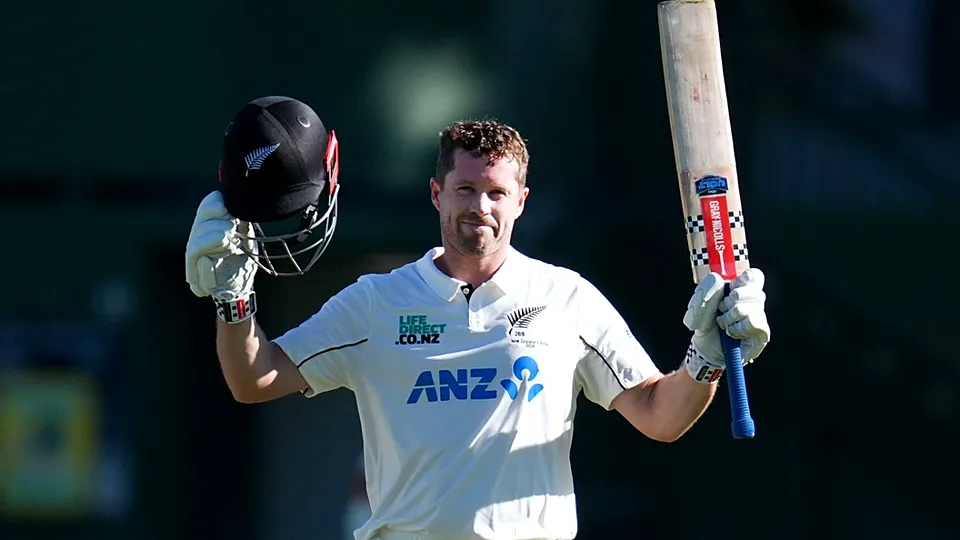
Then came the Impact Player gamble. The coach pulled a mystery left-hander for the death overs. The logic was simple: a left-hander against right-arm leg-spin has a natural advantage. The angle is wider, the gap is bigger. The new batter walked in and did what he was expected to. A 94 not out, with a strike rate that would make a scout weep. It was a masterclass in calculated risk. The final wicket didn't fall until the 22nd over, when the keeper caught a mistimed drive. 243 for 5. A total that should have been 180. The bowler, Rishabh, had taken three wickets, but the match was effectively lost in the 16th over. The spinners were stuck in the middle, unable to create pressure when the batters were playing flat.
The Auction Dilemma for Next Season
What does this mean for the upcoming auction? Franchises are looking for depth, but not just depth—versatility. A player who can bat at the top and bowl part-time spin is a gold mine. The left-right pairing is a standard tactic, but against a heavy spin attack, you need a player who can handle the skiddy ball. The boundary dimensions of the ground played a role, but the skill level was higher. The recovery wasn't just about the 94; it was about the 40 runs off the 15th and 16th overs. That is where the match was won. If you want to understand the true value of a player, look at their ability to handle the "sticky red-soil track" conditions. Not just the powerplay, but the middle overs. The new ball did the talking, but the old ball did the damage. And on a night like this, that is enough to keep the dream alive.
Related coverage
- Gill Slams Saliva Ban: 'We Are Past Covid Times', New Ball Did the Talking
- UPI Crackdown Shakes Fintech Giants, Cricket Tech Apps Brace for Compliance

Updated 2026-11-25 · Instant Rupee Deposits & 60s Withdrawals · 24/7 Support.
Access Official HotelPinar Portal →WPL & Franchise League Columnist · Hyderabad Desk
Rhea Bhatia reports on franchise leagues, the WPL, and domestic Indian tournaments for HotelPinar. Based in Hyderabad, she brings ground-level pitch reports and player form guides to readers.
Reader Discussion & Match Reactions (4)4.8★ Community (4 Comments)
Verified Indian cricket reader perspectives & tactical debate on hotelpinar.com
The Ranji circuit is quietly building depth even if headlines chase IPL. Watching Pant play with Test patience on a skiddy Pune track shows how domestic state associations nurture that grit. Grassroots pathways matter more than just boundary numbers.
The 12th over inswinger angle is the real telemetry point here. With dew kicking in after 8:30 PM IST and 70/5 falling off the scoreboard, the boundary-percentage data likely dropped sharply. The tactical dilemma of keeping spinners alive in T20 needs a proper numerical model.
They kept the spin threat alive instead of pulling a second pacer, which is a massive risk on a tacky surface. If the left-right batting pair gets exposed to the new angle, that 'defense in T20 is death' line becomes their funeral notice. Where is the accountability for this cautious selector thinking?
@Anirudh_Guwahati The dew factor after 8:30 PM IST really makes the ball slippery and the fielders' grips unreliable. But remember Devon Conroy took his bat off after just 18 before the score hit 70 for 5. That collapse proves the new ball bowler Rishabh Pant had total control early on.