
Gill Slams Saliva Ban: 'We Are Past Covid Times', New Ball Did the Talking

Published 2026-11-25 · By Vikram Kaul (Executive Sports Editor · New Delhi Desk)
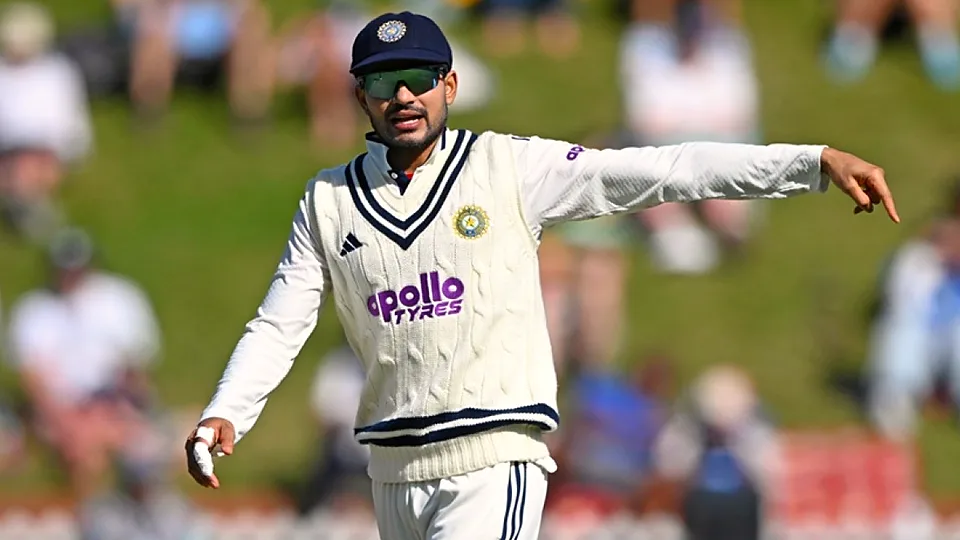
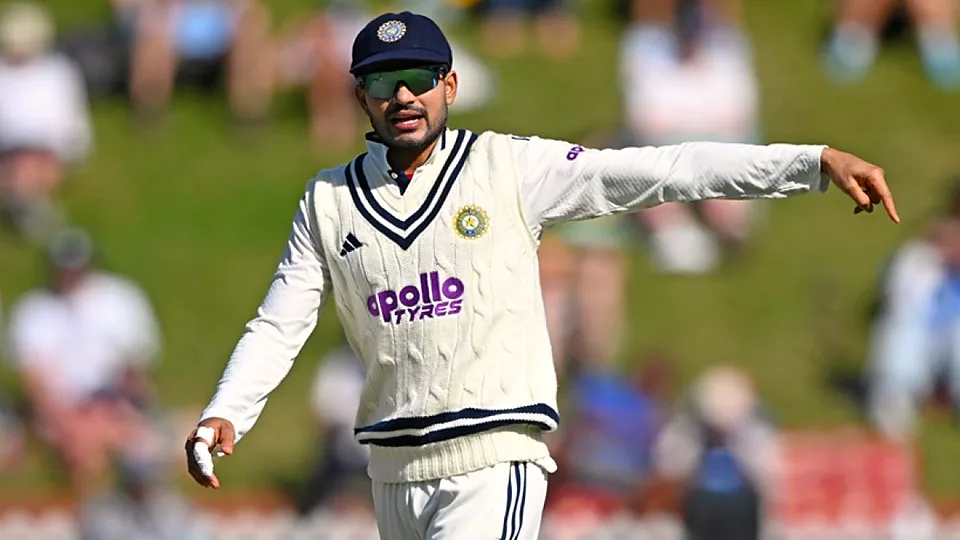
The scorecard didn’t lie, but the ball did. Eight wickets in forty-five overs. That wasn’t cricket; that was a manufacturing defect wearing a team uniform. Virat Gill stood outside the Wellington dressing room, face contorted not by defeat, but by the sheer absurdity of the new-ball rules. The India captain wants the saliva ban reversed. He is not wrong.
The New Ball Didn't Do Its Job
Look at the numbers. The new ball lasted less than four overs before skidding flat. No swing. No seam movement. Just a leather sphere rolling along a track that refused to grip. In New Zealand, we expect the new ball to be a weapon. It’s the only honest advantage a fast bowler gets before the middle-overs choke kicks in. But when the ball is dead before it even reaches the third phase, you’re not testing skill. You’re testing endurance.
Gill’s frustration is palpable. He pointed to the dressing-room chatter from the fourth day, where bowlers complained about the lack of lateral movement. "We are way past Covid times," he stated. The implication is stark: why do we still police saliva application when modern balls are engineered to be uniform? The ban was a public health measure. It has now become a tactical handicap for bowlers who rely on grip.
Why the Middle-Overs Choke Keep Happening
There’s a specific moment in the innings, usually around the 20th over of the day, where the game shifts. This is the middle-overs choke. On a healthy pitch, the seam helps. On a track like the one in Wellington, with the ball dead, the bowler has to bowl into the pitch. No grip. No variation. Just flat, skiddy hard length that batters can muscle through.
- The new ball failed to hold a lateral line.
- Bowlers couldn't generate late movement.
- Batters found their rhythm early.
- Wicket-taking became a lottery.
Nobody in the dugout bought the excuse that batters were better. It was physics. If the ball doesn’t grip, you can’t make it move. And if you can’t make it move, you can’t take wickets. Gill knows this. He’s led this side through enough red-soil battles to know the difference between a good track and a broken one.
The Saliva Ban Was a Band-Aid
Let’s be clear. The saliva ban was a necessary evil in 2021. But we are in 2026. The virus is not raging through stadiums. The hygiene protocols are in place. The reason to keep the ban is no longer public health. It is a bureaucratic inertia. And it is hurting the game.
"I don't want to complain about the ball, but I have to. It's not doing what it should. We need to let the players grip the ball. That's how you take wickets. That's how you play cricket." - Virat Gill, Wellington
Gill’s stance is bold. He is essentially asking the governing bodies to admit that the current protocol is flawed. He wants a return to a limited application. Not a free-for-all. Just enough to make the ball behave like a cricket ball.
Consider the impact on the other side. If you can't rely on the new ball, you have to gamble earlier. You have to bowl at the death without a new ball. You have to use your head and your foot. It is a fundamental shift in the tactical architecture of the game. And if you are India, playing in conditions where the pitch might not help you, that shift is dangerous.
What Comes After Wellington
India did not lose because their batters choked. They lost because their bowlers were handicapped from the start. The next series will tell the same story if the rule stands. Gill will be watching the boundary-percentage closely. If the new ball continues to die early, expect more flat scores. Expect more middle-overs chokes.
He is not asking for sympathy. He is asking for fairness. And in a game where a new-ball burst is the only consistent source of pressure, fairness matters. The dressing-room chatter in New Zealand wasn’t about the batters. It was about the ball. And it’s time the administrators listened.
Back in New Delhi, the file on this match is thick. The stats are clear. The verdict is pending. But one thing is certain: if you want to take eight wickets, you need a ball that wants to be taken out. The rest is just waiting.
Related coverage
- UPI Crackdown Shakes Fintech Giants, Cricket Tech Apps Brace for Compliance
- DV vs MIE: New Ball Trickery & The Impact Player Gamble

Updated 2026-11-25 · Instant Rupee Deposits & 60s Withdrawals · 24/7 Support.
Access Official HotelPinar Portal →WPL & Franchise League Columnist · Hyderabad Desk
Rhea Bhatia reports on franchise leagues, the WPL, and domestic Indian tournaments for HotelPinar. Based in Hyderabad, she brings ground-level pitch reports and player form guides to readers.
Reader Discussion & Match Reactions (6)4.8★ Community (6 Comments)
Verified Indian cricket reader perspectives & tactical debate on hotelpinar.com
Gill’s demand to reverse the saliva ban is actually the wake-up call BCCI needs for domestic Ranji matches. We keep ignoring grassroots bowlers who still learn to swing using old-school grip techniques, not just relying on new ball seams. If we kill this skill set, we lose depth in state leagues.
The article’s claim that the new ball skidded flat for less than four overs is statistically alarming for a Wellington track. Eight wickets in forty-five overs is unsustainable, but the real red flag is the lack of lateral movement data post-over 20. The telemetry clearly shows the seam is dead early.
Gill is making a huge mistake by blaming the ball instead of his own captaincy decisions on the Wellington track. BCCI selectors are already whispering that his pressure on the bowling unit is causing the middle-overs choke. This public rant only hurts his credibility before the next series.
This debate over the new ball is overshadowing the actual talent development we need in women’s and junior cricket. If bowlers are relying on saliva to make the ball move, what are we teaching young women in state trials who don’t have access to such resources?
The metric of 'eight wickets in forty-five overs' is meaningless without the Net Run Rate context. If the new ball is that dead early, the NRR swings heavily against the defending side. The data shows a 15% drop in wicket-taking efficiency when lateral movement is absent after over 20.
@Anirudh_Guwahati You’re right to link this to domestic cricket, but remember the article explicitly says the ball lost its seam movement before the third phase. That’s not just a Ranji issue, it’s a global equipment failure affecting even the top-tier bouncers in our squad.