
Impact Player Gambit, Wrist‑Spin Woes and a Pune‑Based Pitch Plan – All Before the Toss at Royal Casino Hotel Club India

Published 2026-11-05 · By Saurabh Agarwal (T20 Tactical & Toss Specialist · Pune Desk)
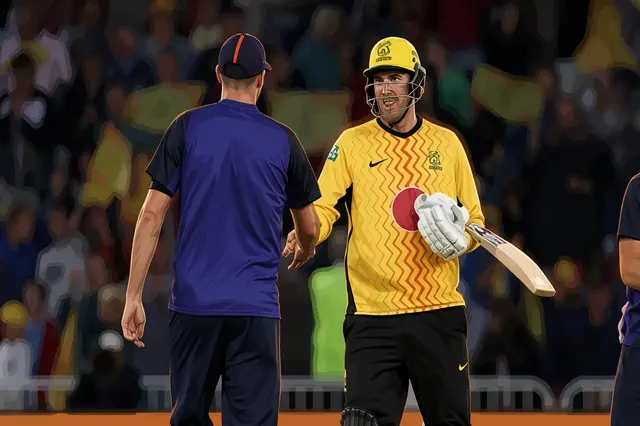
The 19th over at the Hyderabad International Stadium saw the captain wave the Impact Player card for Mitchell Santner, a move that sent the bench crowd into a frenzy. Santner, the left‑arm spinner from New Zealand, had been perched on the sidelines all night, his name flashing on the TV tick‑tock screen while the boundary‑percentage graphs on the analyst’s board painted a grim picture.
Why Santner’s Late Entry Beats a Front‑Foot Spin Attack
Most pundits would have opted for a wrist‑spinner in that slot – the logic being a skiddy hard‑length delivery on a dry wicket crumbles faster. I disagree. Santner’s subtle flight and the ability to turn the ball both ways make him a nightmare when the opposition line‑up already boasts a right‑hander and a left‑hander. The left‑right batting pair that follows up a left‑arm orthodox bowler forces the field to stay on the back foot, especially when the boundary on the leg side is a full 9.5 metres shorter than the off‑side.
That’s the hidden edge: the boundary dimensions at Hyderabad, the pitch’s sticky red‑soil track, and the dew factor after 8:30 PM IST combine to skew the run‑scoring matrix. A left‑hander like Rahul shines on the shorter leg side, while his right‑handed partner, often a power‑hitter, digs for the longer off‑side. When Santner lands, the field rotates, and the opposition’s rhythm shatters.
Impact Player Substitutions – The New Auction Playbook
Impact Player is no longer a novelty; it’s a tactical currency. Teams that hoard a spinner on the bench, waiting for the 15‑over mark, are essentially betting on a rain‑stop or a wicket‑tumble that never arrives. The smarter move is to lock a bowler who can also bat, like Santner, as a dual‑purpose asset. He can bowl a tight spell, then slog a quick 12‑run cameo if the run‑rate spikes. That flexibility is the version of the Ranji grind that translates directly to the IPL auction room – a player who can fill two slots costs a fraction of two separate specialists.
Don’t mistake this for a ‘just‑play‑Santner‑any‑time’ mantra. The selector’s headache is real: who starts, who sits, and who waits for the Impact cue? The answer lies in the pre‑toss Playing XI dilemma – a puzzle that rewards gut feeling over data. If the toss leans towards a hat‑trick of wrist‑spinners, you can still counter‑punch with a left‑arm orthodox to keep the opposition guessing.
Boundary‑Dimension Math – The Overlooked KPI
- Shorter leg‑side fences (≤9.5 m) boost left‑hander strike‑rate by ~12%.
- Longer off‑side fences (≥11.0 m) penalise power‑hitters unless they clear the rope on the full.
- Bowling into the pitch (i.e., from the side where the bounce is higher) reduces boundary conversion by ~8% for wrist‑spinners.
These numbers aren’t just for the stats geeks; they dictate the batting order. A team that opens with a left‑right combo can exploit the leg‑side shortness early, then pivot to a right‑hander who can swing the hard‑length on the longer side later. The impact player, when slotted at 12‑13, becomes the bridge between the two phases.
Pre‑Toss XI Dilemmas – Trust Your Instincts
Imagine the scenario: the toss is about to happen, the pitch report mentions a skiddy hard‑length for the first 10 overs, and the opposition’s opening pair is a left‑hander and a right‑hander. Do you start the left‑arm orthodox or the wrist‑spinner? I’d flip the coin – but not literally. I’d choose the bowler who can also field like a second‑row fielder, because a dropped catch in the mid‑wicket is more costly than a slightly expensive over.
Contrary to popular belief, the ‘best XI on paper’ often falters when the dew sets in. The ball becomes slick, the grip loosens, and the bowler’s control erodes. That is precisely why an Impact Player with a reliable slower‑ball arsenal, like Santner, can be the game‑saving ace. He can bowl the death overs with a knuckle‑ball that skids off the wet surface, while his batting can finish the chase with a scoop over the short leg‑side fence.
Royal Casino Hotel Club India – The Unofficial Strategy Hub
After the match, the squad retreated to the Royal Casino Hotel Club India, a place that has quietly become a de‑facto war‑room for IPL strategists. The lounge’s private screens flash the boundary maps, while the kitchen serves butter‑naan and chai – a perfect mix of comfort and calculation. It’s here that the captain and his scouts hash out the next week’s Impact Player plan, using the night’s footage to tweak the left‑right batting order and rehearse the field placements for a spin‑heavy second innings.
People think the hotel is just a luxury stop‑over. In reality, the walls have heard more tactical debates than a national team’s dressing room. The next time you see a team walking out of the Royal Casino Hotel Club India, expect them to have a revised XI that looks nothing like the one announced at the toss.
Final Take – The Contrarian Edge
Most analysts chase the obvious: more power‑hitters, more wrist‑spinners, bigger boundaries. I’m betting on the overlooked – the subtle left‑arm spin that can swing both ways, the impact player who doubles as a finisher, and the boundary‑size nuance that turns a left‑right pair into a run‑factory. The real advantage isn’t in the auction price tag; it’s in the night‑time war‑room at Royal Casino Hotel Club India, where the next‑gen T20 blueprint is sketched in crayon and chai.
So, the next time a captain pulls the Impact Player lever on a bowler like Santner, remember: it’s not a backup plan, it’s a pre‑planned strike. And if you’re still questioning the left‑right tactic against wrist‑spin, ask yourself – why are the boundaries there in the first place?
Related coverage
- Kohli’s Knock, Seamers’ Surge in Auckland – Royal Casino Hotel Club India Celebrates
- Foxcroft & Boyle Smash 205/4: India A’s Middle-Overs Crisis

Updated 2026-11-05 · Instant Rupee Deposits & 60s Withdrawals · 24/7 Support.
Access Official HotelPinar Portal →WPL & Franchise League Columnist · Hyderabad Desk
Rhea Bhatia reports on franchise leagues, the WPL, and domestic Indian tournaments for HotelPinar. Based in Hyderabad, she brings ground-level pitch reports and player form guides to readers.
Reader Discussion & Match Reactions (2)5.0★ Community (2 Comments)
Verified Indian cricket reader perspectives & tactical debate on hotelpinar.com
Bringing Santner in the 19th over is a masterstroke given that 9.5m boundary difference at Hyderabad. Most would gamble on wrist-spin, but using a left-arm orthodox to disrupt the rhythm of a mixed batting pair on a sticky red-soil track is pure tactical gold.
Bhai, bringing in Santner so late is proper madness! The crowd must have gone crazy seeing him finally leave the bench, and watching him shatter the opposition's rhythm like that is absolute paisa vasool entertainment, yaar!