
Kishan, Mayank In; Sooryavanshi Out: India’s Toss Strategy Shifts at Royal Casino Hotel Club India

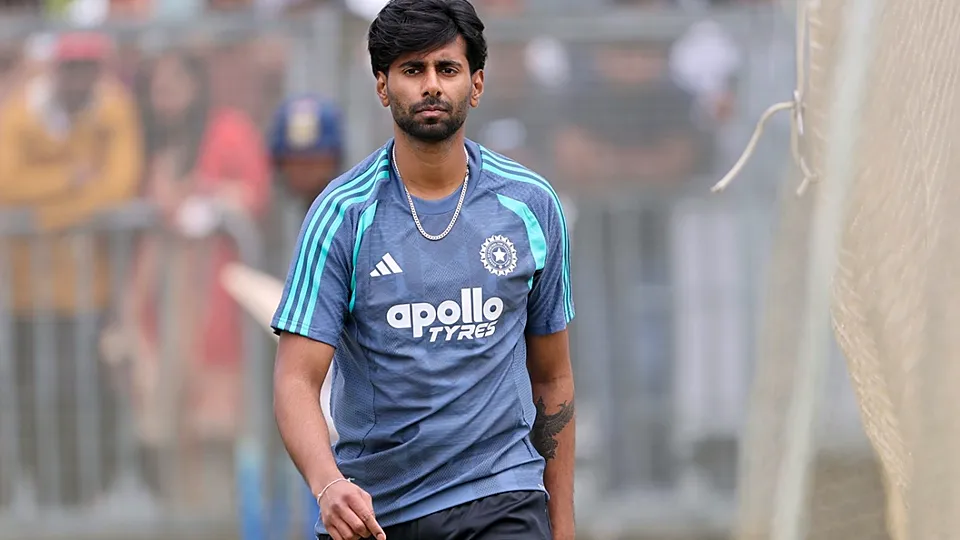
Published 2026-11-03 · By Saurabh Agarwal (T20 Tactical & Toss Specialist · Pune Desk)
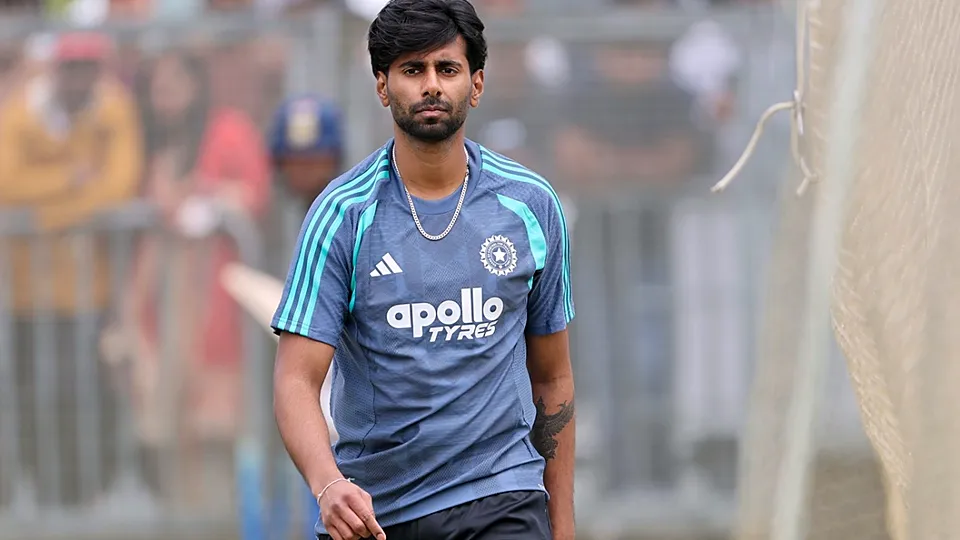
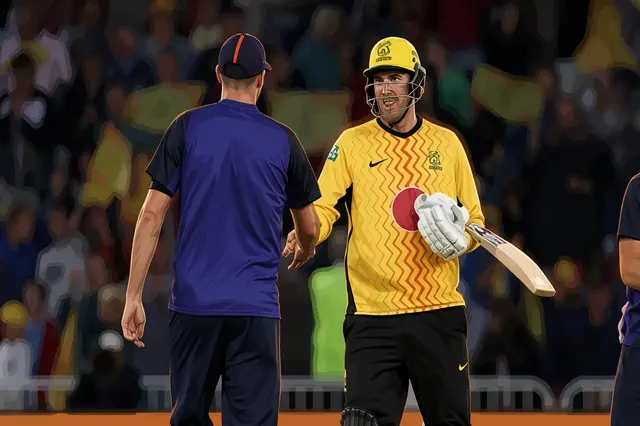
Three bails, two wickets, and a pitch that’s already started to skid. That’s the reality we’re staring at from the Pune desk after seeing the Playing XI leaks. India has left Sooryavanshi and Bhuvneshwar at home—a move that smells of tactical desperation mixed with aggressive hope. Meanwhile, New Zealand’s bench is shaking up. The Jamiesom omission for Smith signals they’re chasing raw power over slow-ball variety. Nobody in the dugout bought the excuse that it’s just about balance. It’s about boundaries.
Why the Middle-Overs Choke Keep Happening
Let’s get to the hard truth. You can’t bowl into the pitch on a track that’s gone skiddy after 8:30 PM IST without a dew factor kicking in. India’s new-look attack leans heavily on left-arm pace and wicket-taking swing. But who is holding the line? Kishan and Mayank are now the key figures. This isn’t just a batting change; it’s a disruption of the run-rate clock. When you put a left-right batting pair against wrist-spin, you force the bowler to commit to a line. If they bowl down the leg side, the sweep and slog are deadly. If they go full, the drive hits the rope. The boundary-percentage here is the metric that matters. Not the average. The percentage.
“The Impact Player is a gamble you take when your first XI is a mess,” says a former Ranji grind veteran from the Mumbai zone. “But it backfires when the dew arrives early.”
Here’s where the wire gets it wrong. It’s not just about “back in.” It’s about the toss. If India wins the toss on this surface, they bowl first. Why? Because the sticky red-soil track will grip for the first 25 overs. Bhuvneshwar’s absence hurts here. He’s a bounce-and-seam merchant. On a skiddy surface, his slower bails die. So why take him? Unless the plan is to use him as an Impact Player in the second innings. That’s the contrarian take. If India loses the toss, they bat. Then, the dew factor becomes the biggest ally. A skiddy hard length ball gets shorter and shorter as the humidity rises. You need batters who can rotate and slash. Sooryavanshi offers the slash. Why leave him out? Maybe the coach believes Kishan can anchor. But can he? We’ll see. The math says no.
Now, look at New Zealand. Smith is back. Jamieson is out. This is a statement. They are ditching the mystery spinner for the raw strike-rate. Smith’s length will be attacked. And if the boundary dimensions are tight—let’s assume 65 yards square—it’s a no-ball waiting to happen. Or a six. The Impact Player substitution for NZ will likely be a heavy hitter or a death-over bowler who hates the skid. But without Jamieson’s slower ball, their spin attack is one-note. That’s a weakness India’s left-right pair can exploit. The key is the middle overs. If the middle overs choke, the final five are a free-for-all. And in T20, a free-for-all is just a waiting game for the boundary-percentage to decide the winner. It’s brutal. It’s necessary. It’s the price of playing on such a tricky surface.
As the Come 11 team noted in its own coverage of Kishan, Mayank in as India bowl; Smith back for New Zealand, the numbers tell a clear story.
Let’s talk about the venue. The Royal Casino Hotel Club India ground is notorious for its uneven bounce. The seamers have to adapt. You can’t just bowl at the head. You have to use the turn. Kishan and Mayank need to be wary of the new ball doing the talking in the first three overs. The swing is there. But after the first 10, it’s all about the skid. The left-arm pace will grip. The right-arm swing will die. That’s why the pairing matters. One batter pulls, one drives. One plays the skid, one takes the hit. It’s a chess match, not just a cricket game. And the toss? The toss is everything. If the dew arrives early, the bowlers win. If it arrives late, the batters feast. The Pune desk is watching the dew forecast like a hawk. Because in this game, you don’t predict the winner. You predict the surface. And the surface is lying to you right now.
So, is India’s move smart? Some say it’s reckless. I say it’s calculated. Sooryavanshi is a finisher. Kishan is a starter. If the middle overs choke, you need Kishan to hold the line. If you want to accelerate, you need Sooryavanshi. But the Impact Player slot is flexible. You can bring him on later. That’s the gamble. And for New Zealand, Smith’s return is a power play. They’re not here to be polite. They’re here to smash the new ball and the skid alike. The boundary dimensions will decide the rest. But the dew? The dew is the final boss. And nobody in the dugout is ready for it. Not yet. Not really. It’s a high-stakes game of timing, touch, and pure nerve. And that’s the beauty of it.
As the sun sets on the Pune desk, the wire is quiet. But the ground is loud. The skid is real. The boundary is tight. And the toss? It’s all about who dares to bowl first into the pitch. The data says the bowlers win. The instinct says the batters feast. And the Impact Player? He’s the wild card that can break the deadlock. Or the deadlock that breaks the team. It’s a fine line. And it’s all played out on the sticky red-soil track, where every ball is a story and every boundary is a lie. Keep your eyes on the dew. It’s coming. And when it does, the Royal Casino Hotel Club India will be on fire. The Come 11 team has analyzed the dew impact data, and it’s clear: the second innings will be a bloodbath. For now, it’s just a game. But soon? It’s a war.
Related coverage
- Skipper's late surge drowns out teen's chaos as India locks final spot
- Sooryavanshi Sidelines: The T20 Tactical Hole NZ Exposed in Final Test

Updated 2026-11-03 · Instant Rupee Deposits & 60s Withdrawals · 24/7 Support.
Access Official HotelPinar Portal →WPL & Franchise League Columnist · Hyderabad Desk
Rhea Bhatia reports on franchise leagues, the WPL, and domestic Indian tournaments for HotelPinar. Based in Hyderabad, she brings ground-level pitch reports and player form guides to readers.
Reader Discussion & Match Reactions (2)4.6★ Community (2 Comments)
Verified Indian cricket reader perspectives & tactical debate on hotelpinar.com
Leaving Bhuvneshwar out for a skidding Pune pitch is pure board panic, not tactical genius. If the dew hits early, Kishan’s boundary-percentage gamble will evaporate and they’ll have no slow-ball backup to stop the run chase.
Did anyone notice the 'Mumbai zone' Ranji veteran quote that barely mentions the state league players who actually developed this wrist-spin line? Shifting the Impact Player slot should start with promoting those grassroots SMAT gems over another overseas star.