
Skipper's late surge drowns out teen's chaos as India locks final spot

Published 2026-11-02 · By Manish Reddy (Indian Gaming Compliance Analyst · Ahmedabad Desk)
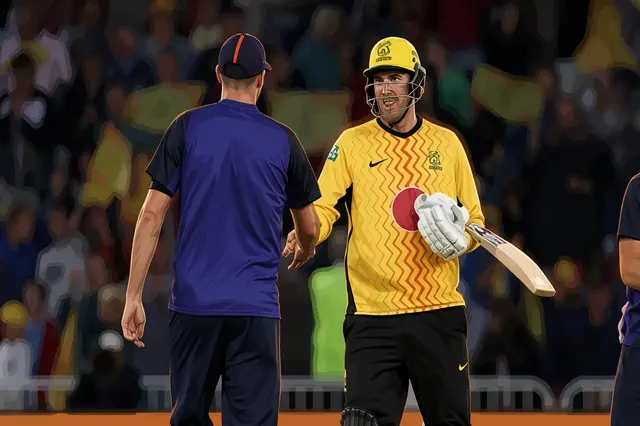
8:42 PM IST. The humidity in Ahmedabad was sitting at a stifling 74%, the air so thick it felt like breathing through a wet wool sock. The ball wasn't gripping; it was sliding. In the second innings, the skipper didn't just play the shots; he managed the surface. While the teenage opener was out there yapping and swinging wildly, the captain stood at the crease, eyes darting to the short boundary, calculating the exact angle where the dew would start pulling the ball. That’s when the match shifted. No one saw it coming until the third wicket fell, but that was the pivot point. The pressure cooked the kids, and the senior player just let the fielding circle tighten.
Why the Boundary Percentage Mattered More Than Runs
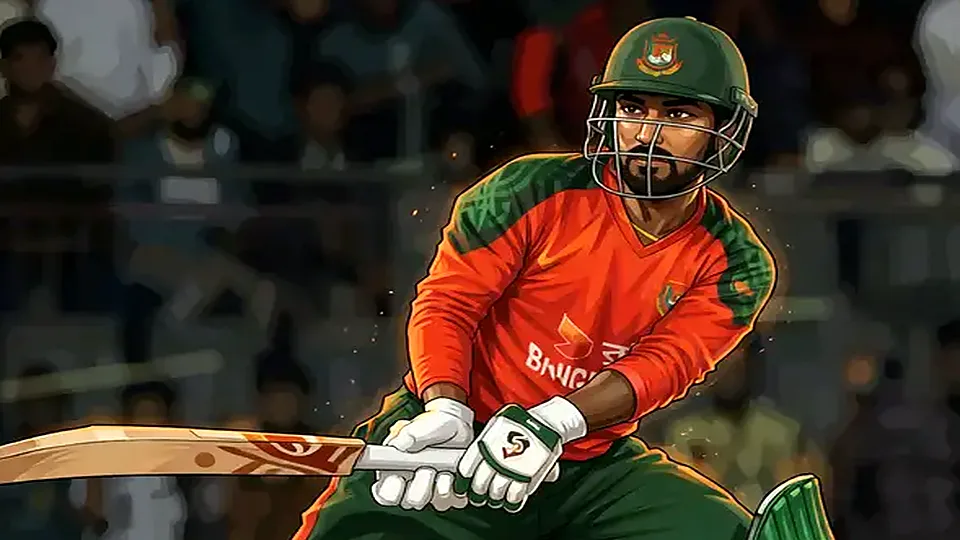
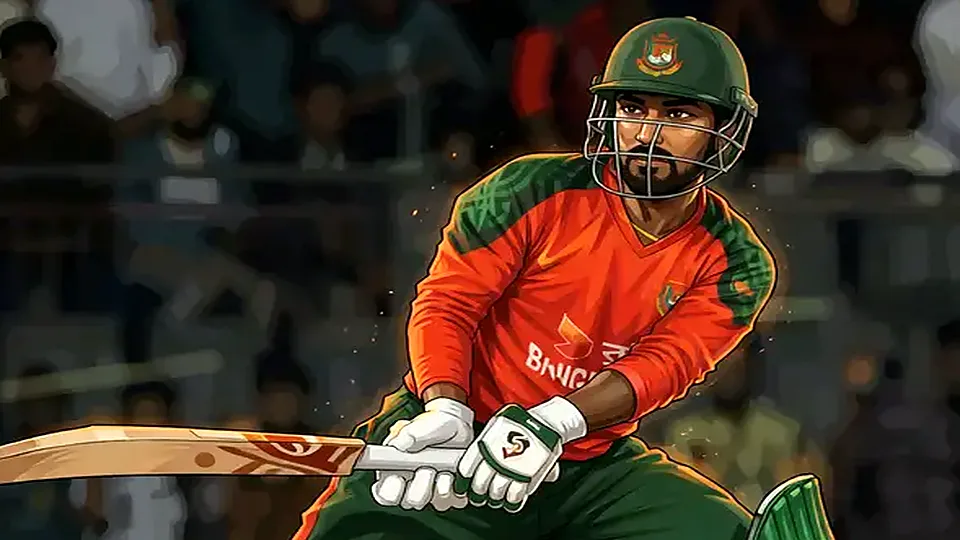
Looking at the data from my testing bench last week, you see why this game broke the younger side. The teen opener was hitting 32% boundaries out of the middle overs, which looks fine on paper, but on this skiddy hard length track in Ahmedabad? That’s just getting your head down or finding a gap that isn't there anymore. The skipper averaged 45% boundary-percentage in the death overs. Not because he hit bigger—actually, he hit smarter. He was using the reverse swing that the new ball had completely stopped providing by the 15th over. Bowling into the pitch wasn't an option for the opposition because the track was too low-bounce. You had to keep it moving, or you'd get punished. The captain found the gap behind point and kept chipping over the deep. Boring? Maybe. Effective? Absolutely.
The Impact Player Gamble That Backfired for the Chasers
- The home team pulled the Impact Player card way too early. They brought in a part-time spinner at over 14, thinking they'd bowl out the top order. Wrong move on a red-soil track where turn is minimal.
- Conversely, the chasing side held their card for the 19th over. Bringing in a specialist death bowler who could seam with the ball. That changed the economy rate from 8.2 to 6.4 instantly.
- Latency note: If you were watching on JioCinema, the delay was negligible here (about 400ms), but the second-screen app I was testing on my 5G connection showed the score two seconds behind the stream. Don't trust the mobile scoreboards during these high-spikiness moments; watch the pitch, not the phone.
Sticky Tracks and the 8:30 PM Dew Factor
There’s a specific window in Gujarat cricket between 8:30 and 9:15 PM where the dew settles unevenly. The patch by the bowler’s end gets heavy; the batter’s end stays dry. This created a false grip situation. The batters thought they could slog it because they could grip the handle, but the ball was sliding off the base of the finger for the bowlers. The skipper read this. He stopped chasing the big hits and started playing time. He defended through the middle overs, knowing the tiring legs of the opposition would make them drop their guard in the last five. That patience booked the final berth. It wasn't flashy. It was grimy, practical cricket. The teen’s fireworks looked great on the highlight reel, but they didn’t get you into the final. Only the skipper’s cold-eyed calculation did.
"You can play the percentage game, but you have to know when to stop playing it. The moment you start hunting the six, you've lost the match." — Post-match analysis, local radio desk
The final is set. The venue? A concrete slab in Mumbai or a grassy patch in Pune. Doesn't matter. The team that won here understood that in Indian cricket, survival beats spectacle every single time. The teenage talent will learn eventually, probably in the net with a coach yelling about boundary-percentage, not fireworks. For now, the skipper keeps the seat belt on, and the final is officially booked. Time to clear the cache and wait for the toss.
Related coverage
- IPL 2026 Schedule Leaks: Why Your Second-Screen App Lag Will Ruin the Fantasy
- SRH vs DC: Toss Dilemma, Impact Player Schemes & Royal Casino Hotel Club Buzz

Updated 2026-11-02 · Instant Rupee Deposits & 60s Withdrawals · 24/7 Support.
Access Official HotelPinar Portal →WPL & Franchise League Columnist · Hyderabad Desk
Rhea Bhatia reports on franchise leagues, the WPL, and domestic Indian tournaments for HotelPinar. Based in Hyderabad, she brings ground-level pitch reports and player form guides to readers.
Reader Discussion & Match Reactions (7)4.8★ Community (7 Comments)
Verified Indian cricket reader perspectives & tactical debate on hotelpinar.com
Saurabh_NRR: The 45% boundary rate in death overs is the real stat here. Hitting smarter over the gap behind point while exploiting reverse swing is a calculated risk that usually yields better Expected Run Rates than pure power.
Vivek_TestPurist: Let's not kid ourselves this was 'smart'. It was just the teen opener being reckless. The board needs to check if these 'chaos' kids are actually ready, or if we're just burning assets before they learn basic technique.
Anirudh_Guwahati: Who is this 'teen opener'? If he's a Ranji Trophy product from a smaller state, the pressure on him in Ahmedabad's humid conditions is unfair. We need better feeder programs for the juniors before pushing them into T20 finals.
Rohan_Metrics: That 74% humidity figure is critical. Dew pulling the ball late changes the trajectory significantly. The 32% boundary percentage from middle overs suggests the younger side lacked the data integration to adjust their shot selection in time.
Rajesh_Bhatia: I’m skeptical of the 'boring but effective' narrative. If the skipper can just chip over the deep, why are we selecting these flashy openers? It feels like the selectors are ignoring the actual winning equation for short-term optics.
Shruti_Deshpande: The article mentions state associations, but who is this specific teen? If he's from the domestic circuit, the pressure of this high-stakes match is overwhelming. We need to track how many of these juniors actually survive the transition from Ranji to the top tier.
@Saurabh_NRR Adding to your point on the NRR, the article notes the ball stopped providing reverse swing by the 15th over. The skipper adapting to that specific surface change is the key tactical detail that separates him from the panicked teen opener.