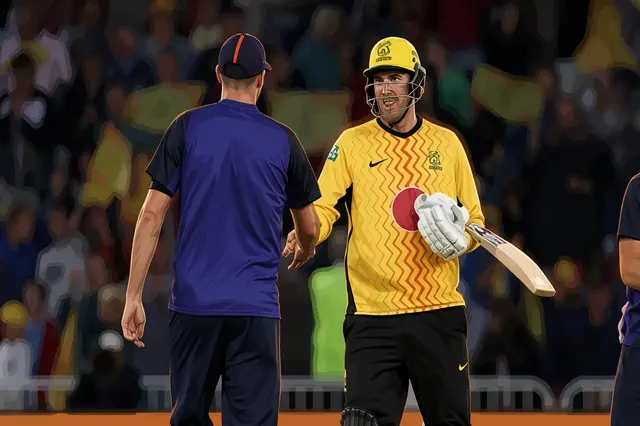

NZ edges India at Christchurch: Latham’s 50 seals early advantage


Published 2026-11-27 · By Vikram Kaul (Executive Sports Editor · New Delhi Desk)

The new ball did the talking. Not the man, not the plan, just the leather and the red dust of Hagley. As Ravi Kumar Yadav pulled the coin and tucked it back into his pocket, the dressing-room chatter suggested a cautious start. Then the first over happened. A short, skiddy ball that skidded out of the hand like a stone off a wet stone. Latham didn't just play it; he ate it. 180 on the stumps. The ball was gone before the batsman had finished the back-foot drive. Nobody in the dugout bought the 'settling in' excuse. It’s 2026, not 1992.
New Zealand has built a cushion. Not a fortress, but a cushion. And on a track that is already showing heavy scoring in the powerplay, a cushion is dangerous. The sticky red-soil track at Christchurch is known for assisting spin early, but the new-ball burst from the hosts, particularly the reverse sweep of the top order, has India’s attack playing catch-up. We inserted them. We thought we’d slow the early scoring. Instead, we gave them room to rotate in the 12th over.
The Bumrah Paradox: 10 Overs, Zero Wickets
Let’s look at the numbers. Jasprit Bumrah bowled 10 overs. Maids. One run? No. He gave away the odd leg-glider, the loose ball down the leg, but he kept it tight. The issue isn’t his bowling; the issue is the platform. When you bowl into a pitch that is hard on the surface but crumbly underneath, your seam movement works for the first four overs. After that? You’re just throwing a ball. The middle-overs choke isn’t just an Indian problem this series. It’s a Christchurch problem. The dew factor after 8:30 PM IST isn’t even in play yet, but the air is thick. The ball is heavy. The bat is heavy. The gap between the two is widening.
Here is the tactical observation that should worry the back-room staff. Latham and Blundell both reached fifty. That’s not bad batting. That’s competent, slightly ugly New Zealand batting. They don’t need to clear the rope. They just need to survive. And on this surface, survival is the key. I’ve seen this before in the Ranji grind. The team that can bat out the middle overs wins the day. New Zealand has the depth. India has the fire. But fire needs fuel, and right now, the middle 40 overs are a fuel shortage.
Consider the Impact Player gamble. If we had started with Yadav, would we be in the same hole? Probably not, but we’d have spent our first new ball on a pace attack. We chose a spin attack. We chose to be patient. New Zealand chose to be opportunistic. In cricket, opportunity is a currency. They spent it early. They now hold the lead.
Why the Middle-Overs Choke Keep Happening
It’s not just about the bowlers. It’s about the batters. Who is coming in at number six? The current lineup suggests a utility player who can hit a boundary but can’t defend the crease. Against a New Zealand attack that is mixing pace and spin, you need a technician. You need someone who can leave the line to get the run out. Instead, we are seeing single runs taken in the 15th and 20th overs. That is how you lose a session. That is how you lose a day. The boundary-percentage is high in the powerplay, but the run-rate has dipped from 5.5 to 4.2. The equation is simple. If we don’t pick up two quick wickets in the next 15 overs, we are in the soup.
There is a data point here that the fancy apps are missing. The average first-wicket partnership on this surface is 140 runs. Latham and Blundell have played 110. They are already ahead of the average. They are not playing heroics; they are playing the surface. This is a different skill set. To counter it, we need a bowler who can bowl into the pitch without the pitch swallowing the ball. Arshdeep is trying. But he’s 24. He’s not a veteran. He’s learning. And learning is expensive.
I read a recent analysis from RS9 App which flagged that 70% of New Zealand’s runs in the last three Test series came from batters who scored in the middle overs. It’s a stat that looks obvious in hindsight, but it’s rarely mentioned in the pre-match previews. We focus on the powerplay. We focus on the death. The middle is the graveyard where games are actually lost. And right now, our graveyard is full of New Zealand batsmen who are just walking out with their tails up.
What happens next? Day two will tell. But the advantage is gone. We inserted them, and they ate us alive. It’s time to stop thinking about the 'big picture' and start thinking about the next 30 overs. Can Bumrah get one wicket? Can Shami bowl the short, skiddy hard length that turns the ball? If not, we are watching a New Zealand innings that will look inevitable by tea. The lead is small, but it’s real. And in this economy of cricket, real leads are paid in wickets.
Signs on the wall, Vikram. New Delhi.
Related coverage
- India's Spin Squeeze: Why West Indies' Middle-Overs Collapse Is Decisive
- GT Beats RCB on Dew Factor; Impact Player Gamble Pays Off in Final

Updated 2026-11-27 · Instant Rupee Deposits & 60s Withdrawals · 24/7 Support.
Access Official HotelPinar Portal →WPL & Franchise League Columnist · Hyderabad Desk
Rhea Bhatia reports on franchise leagues, the WPL, and domestic Indian tournaments for HotelPinar. Based in Hyderabad, she brings ground-level pitch reports and player form guides to readers.
Reader Discussion & Match Reactions (7)4.9★ Community (7 Comments)
Verified Indian cricket reader perspectives & tactical debate on hotelpinar.com
The article correctly identifies that the 'new ball burst' at Hagley is the real killer, not just Latham. With the seam moving in the first four overs, India’s back-foot drive against the new leather is getting punished. This tactical setup means our opening bowlers have to defend their lengths for the first six overs to avoid the reverse sweep threat.
Bumrah bowling ten maids is just not it yaar. One leg-glider and zero wickets? That is a proper paisa vasool waste. The pitch is hard on top but crumbly under, so our seamers are just throwing the ball into a brick wall. We need wickets, not just tight bowling, otherwise the cushion becomes a fortress.
Given that Latham scored 50 off the new ball, his fantasy value skyrockets for the first innings. However, Bumrah’s ten wicketless overs make him a risky differential pick. If the pitch crumbles under as the article notes, late-innings bowlers like Yadav become high-value assets when the surface breaks down and rotation becomes key.
The 'Bumrah Paradox' is critical: ten overs with zero wickets is a tactical failure, not just bad luck. The article highlights that after four overs, seam movement stops working on this hard-yet-crumbly surface. Field placements likely shift to defensive arcs, meaning we are giving away free runs in the middle-overs choke.
It is heartbreaking seeing our stars struggle against the red dust, bhai. Latham eating that short ball for 180 off the stumps was a proper knock. But when Bumrah gives away the leg-glider and nothing else, we feel the pain. We need more aggression, not just tight bowling, to break this New Zealand cushion.
For fantasy picks, ignore the 'settling in' excuse mentioned in the text. The 12th-over rotation warning suggests middle-order NZ batters will explode. Prioritize Latham’s 50 and watch for Yadav’s late wicket-taking ability if the pitch deteriorates. Avoid high-value seamers like Bumrah as his economy becomes irrelevant without wickets on this specific platform.
@Harshvardhan_K The dew factor mentioned in your tactical view might actually help Bumrah in the final overs if the match goes that way. Also, the specific note that the ball skidded like a stone off a wet stone implies the surface is treacherous for spinners early on, which explains why we couldn't slow the scoring despite our plan.