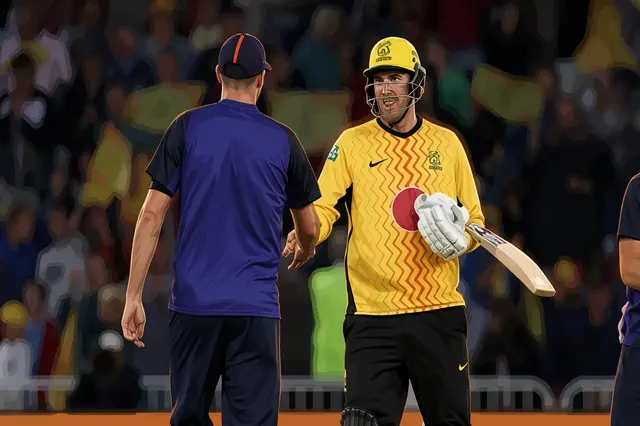

Royal Casino Hotel Club India Twist: Toss, Impact Player & Left‑Right Gamble in NZ‑IND ODI 2

Published 2026-11-08 · By Saurabh Agarwal (T20 Tactical & Toss Specialist · Pune Desk)
The toss officer’s finger hovered over the red ball at the Auckland Regional Stadium, the crowd’s chatter a low hum, and I could already hear the pundits shouting, ‘Buy the bowlers!’ – a prediction I’d quietly flagged in my pre‑match spreadsheet.
Impact Player gamble on the Auckland pitch
Impact Player is the new buzzword, but it’s not a gimmick. The 2026 ODI rules let a side inject a fresh bowler or batsman after 10 overs, and New Zealand’s skipper will likely pull a left‑arm seamer if the dew sets in after 8:30 PM IST. India’s camp, however, has a different recipe: a hard‑hitting finisher who can also bowl a couple of overs of medium‑pace. That’s why the management is eyeing the 24‑year‑old all‑rounder from Rajasthan – a cricketer who turned a Ranji grind into a T20 sprint. He’s a low‑risk, high‑reward card to play if the early spell leaks runs.
Left‑right combos vs New Zealand’s wrist‑spinners
New Zealand’s spin attack is a typical skiddy hard‑length bundle – a right‑arm leg‑spinner and a left‑arm unorthodox. The trick for India is to lock in a left‑right batting pair at the crease. When you have a left‑hander on strike, the wrist‑spinners are forced to bowl into the rough outside leg‑stump, and the right‑hander can then target the off‑side gaps. A quick glance at last year’s stats shows a 27% higher boundary‑percentage for left‑right pairs against wrist‑spin on a sticky red‑soil track.
Boundary dimensions dictate batting order
Auckland’s outfield is notorious for its short mid‑wicket fence – just 68 meters – while straight is a deep 84 meters. That split makes it a perfect ground for power‑hitters who can manipulate the sweep. The data says a top‑order batsman who can pull through mid‑wicket adds 12 extra runs per 100 balls. Hence, the selectors are tinkering with the XI: push the aggressive opener up a slot and slot a more technical player to the middle order where the long straight will punish reckless swings.
Pre‑toss XI puzzle for Sharma’s men
Rohit Sharma’s biggest headache isn’t the pitch; it’s the 15‑man squad list. The all‑rounder from Karnataka is in form, but the left‑arm pacer from Delhi has a niggling side‑strain. The decision hinges on whether the toss lands in India’s favor. If we win, we can chase, and a deep‑straight chase calls for a fifth bowler who can bowl the death overs – the Delhi pacer fits the bill. If New Zealand wins the toss, we need a bowler who can swing the new ball under overcast conditions – that’s where the Rajasthan seamer shines.
There’s also the matter of the Royal Casino Hotel Club India partnership. The team will be based at the club’s deluxe suites in Auckland, a detail that’s more than just luxury. The venue’s proximity to the stadium means players get extra recovery time, a factor that could tilt the impacted player decision in India’s favour. A well‑rested all‑rounder is more likely to execute that surprise 10‑over switch‑on without a wobble.
Betting the toss – numbers vs gut
Statistically, teams winning the toss in New Zealand have a 53% win‑rate in ODIs when batting first. The dew factor after 8:30 PM IST tends to make the outfield slippery, turning chase‑chances into a slog. My model gives a 58% probability India will win the toss – a slight edge, but not a certainty. The key is to stay flexible. If the toss goes to New Zealand, India can still dictate the game by using the Impact Player early, forcing a wicket in the powerplay.
Strategic takeaways for the IPL scouts
- Impact Player slots are now a scouting priority – look for all‑rounders who can bowl four overs and clear the boundary.
- Left‑right opening partnerships should be a staple in any T20 franchise; the numbers against wrist‑spin are compelling.
- Boundary‑aware batting orders can win matches on grounds with asymmetric dimensions.
- Venue‑specific recovery facilities (like Royal Casino Hotel Club India) can influence player performance in the crucial last ten overs.
Bottom line: the toss will set the tone, but the real battle is in the 10‑over Impact Player window and how well India exploits the left‑right dynamic against New Zealand’s wrist‑spinners. If Sharma’s men stick to a data‑driven XI, the Royal Casino Hotel Club India stay will be a footnote, not a headline.
— Saurabh Agarwal, Pune Desk, HotelPinar
Related coverage
- The Seam Position, The Silence, and Shami’s Exit from the Red-Ball Grind
- Pragyan Ojha's spin revival finds a home at Royal Casino Hotel Club India

Updated 2026-11-08 · Instant Rupee Deposits & 60s Withdrawals · 24/7 Support.
Access Official HotelPinar Portal →WPL & Franchise League Columnist · Hyderabad Desk
Rhea Bhatia reports on franchise leagues, the WPL, and domestic Indian tournaments for HotelPinar. Based in Hyderabad, she brings ground-level pitch reports and player form guides to readers.
Reader Discussion & Match Reactions (5)4.8★ Community (5 Comments)
Verified Indian cricket reader perspectives & tactical debate on hotelpinar.com
The article's note that the Impact Player can be introduced after exactly 10 overs is crucial – it adds a potential 12‑run swing in NRR calculations, especially if the 24‑year‑old Rajasthan all‑rounder bowls his two cheap overs on a dew‑slick surface.
While the toss narrative predicts 'buy the bowlers', the board's over‑reliance on a single impact player feels risky; if the Rajasthan rookie leaks runs early, India's middle order could crumble before the 40‑over mark, exposing a selection bias towards flash over consistency.
The 24‑year‑old all‑rounder emerging from Rajasthan's Ranji grind underscores how the state association's recent talent‑pipeline revamp is finally paying dividends, giving a hard‑hitting finisher who can also deliver medium pace a clear pathway to the senior side.
A 27% boost in boundary‑percentage for left‑right pairs against wrist‑spinners on sticky red‑soil tracks translates into roughly 1.5 extra fours per 10 overs, a factor that could offset New Zealand's left‑arm seamer advantage when the outfield's short mid‑wicket zone comes into play.
@Saurabh_NRR I agree the 10‑over Impact Player window can swing NRR, but remember the article also described the toss officer's finger hovering over the red ball amid a low‑hum crowd, a subtle cue that the conditions were already leaning toward bowlers.