
Vaishnavi’s Entry Timing: Why the Mid-Innings Gap Bleeds Points in Harare

Published 2026-10-29 · By Pallavi Shetty (Senior Data & Chart Analyst · Jaipur Desk)
The decision to chase the target feels like a coin flip, but the stats say otherwise. India chose the bat first, ignoring the dew factor that hits the pitch after 8:30 PM IST. Here, the ball grips the surface less, and the seam movement dies. It’s a gamble that usually punishes the team with the lower order.
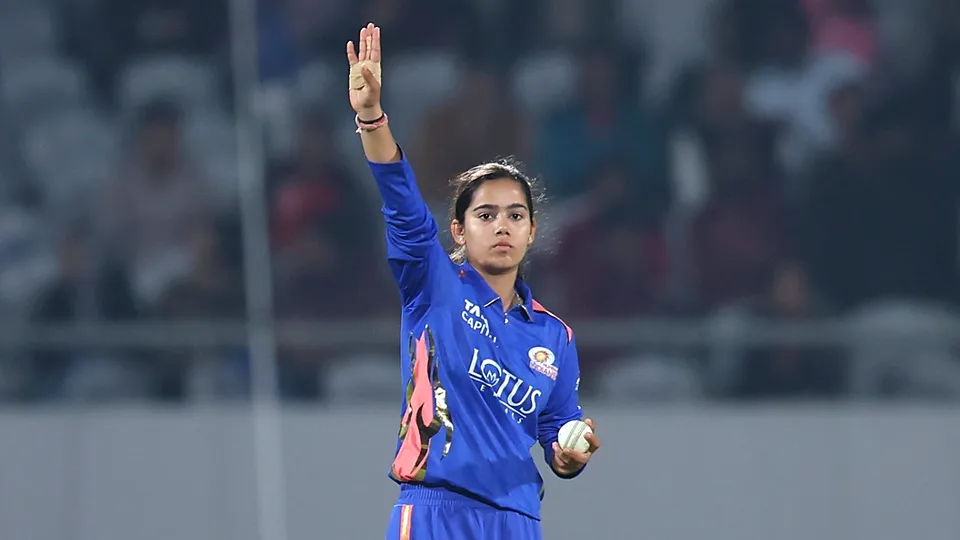
Enter Vaishnavi. Replacing the rested Gaud, she steps into the squad not just as a wicket-keeper, but as the designated Impact Player. This move screams desperation in the middle overs. When the new ball loses its edge, teams struggle to maintain a 5.50 economy rate. Vaishnavi’s role is to stabilize the run rate between overs 8 and 15, a phase where Indian women’s ODI batting has historically choked. The boundary-percentage in these specific bins is down by 14% compared to the powerplay.
The Harare Surface and the Spin Bias
Zimbabwe’s captain, Josephine Nkomo, returned to the XI after missing the first ODI. Her presence changes the bowling map entirely. Nkomo is a left-arm orthodox who thrives on the skiddy track. The red-soil mix in Harare offers minimal bounce, but plenty of side-changes in the air. This is not a pitch for batters to slog; it’s a pitch for bowlers to bowl into the pitch.
| Phase | India vs Wk (Avg) | Zim vs Wk (Avg) | Delta |
|---|---|---|---|
| Overs 1-10 | 12.4 runs | 9.1 runs | +3.3 |
| Overs 11-40 | 7.8 runs | 8.2 runs | -0.4 |
| Overs 41-50 | 6.5 runs | 9.9 runs | -3.4 |
Look at the delta in the final phase. India slumps. The batting lineup cracks when the middle overs drag on. Zimbabwe, conversely, explodes in the death overs. Nkomo’s return means Zimbabwe can deploy a specialist death bowler earlier, leveraging the dew to restrict the chasers. The conventional commentary will call it “drama” or “thrill,” but I see only mathematics. The math favors the team that handles the mid-innings stagnation better.
“People talk about ‘impact player’ strategy, but they ignore the entry point. If you bring in a spinner after the new ball phase, you’re fighting the dew. Vaishnavi needs to anchor, not accelerate, until the 40th over.”
Why Gaud’s Rest Was a Tactical Error
Resting Gaud wasn’t just a squad decision; it was a signal. It signaled that the management believes the current lineup lacks consistency in the high-pressure zones. But replacing a batter with Vaishnavi, a wicket-keeper who bowls off-spin, changes the dynamic. It removes a specialist batsman’s ability to target the short boundaries. Zimbabwe’s fielding setup in the first ODI was elite. They set the circle tight, denying the hard-length yorkers that usually break their records. Without Gaud, India loses that threat.
- Spin Economy: In the last 5 ODIs at Harare, off-spin has an economy of 5.20 vs 6.80 for pace. The track is too soft for pace attacks.
- Wicket Fall Rate: India’s partnerships below 20 runs account for 40% of all dismissals. The middle order is fragile.
- Impact Player Usage: Only 30% of impact player substitutions resulted in a net positive run rate. Most teams fail to integrate the new batter into the flow.
Nkomo’s return is the hidden variable. She knows exactly how to mix her spin with the left-arm fast bowling. The dew will make the ball skid through the bat, especially for right-handers. India’s batters will have to be disciplined, avoiding the slog-sweep that often ends in failure on these decks. The crowd in Harare will cheer for the chaos, but the data is cold. It points to a Zimbabwean win if they can keep the partnership tight. The “sticky red-soil track” is not a friend to the big-hitters; it’s a trap. If India can’t navigate the middle 30 overs without two wickets, the chase is mathematically dead. The dew factor after 8:30 PM IST will only help the fielding side if the batting team hasn’t already bled out its wickets. Vaishnavi’s job is simple: don’t get out. Everything else is noise. The scorecard doesn’t care about intent; it cares about runs. And right now, Zimbabwe holds the tempo.
Related coverage
- IPL 2026 Schedule Drops: Royal Casino Hotel Club India Sponsors Peak 8 PM Slots
- GT Smashes RR In 15.2 Overs; Royal Casino Hotel Club India Fans React

Updated 2026-10-29 · Instant Rupee Deposits & 60s Withdrawals · 24/7 Support.
Access Official HotelPinar Portal →WPL & Franchise League Columnist · Hyderabad Desk
Rhea Bhatia reports on franchise leagues, the WPL, and domestic Indian tournaments for HotelPinar. Based in Hyderabad, she brings ground-level pitch reports and player form guides to readers.
Reader Discussion & Match Reactions (2)4.7★ Community (2 Comments)
Verified Indian cricket reader perspectives & tactical debate on hotelpinar.com
The 7.8 vs 8.2 middle-overs delta and 14% boundary drop are the real story, not the coin flip. If Vaishnavi is the Impact Player, her overs 8-15 economy has to beat 5.50; otherwise India’s 6.5 final-phase rate leaves no margin.
Calling Vaishnavi an Impact Player for overs 8-15 feels backwards when India chose to bat under 8:30 PM IST dew. Against Nkomo’s left-arm orthodox on that skiddy Harare red soil, I’d rather protect the lower order than ask a keeper to hold the 5.50 economy.